Superyacht tender fleet management is becoming an increasingly important consideration. Superyacht tenders have quietly undergone a transformation. For some time now, they’ve been far more than simple shuttle craft, they are high-performance, luxury experiences in their own right, as well as critical operational tools. Yet despite this evolution, the way many tender fleets are managed hasn’t kept pace.
So, here’s the uncomfortable question: is the industry still thinking too short-term?
Too often, tenders are purchased reactively, driven by immediate needs, availability, or seasonal pressure. A gap appears, a tender is required, and a solution is found. But what happens six months later? Or three years down the line? When maintenance schedules clash, parts don’t align, and crew are juggling multiple systems across different platforms, does that initial “quick win” still make sense?
This fragmented approach might feel efficient in the moment, but is it quietly increasing long-term costs?
A growing number of industry professionals are beginning to challenge this model. Instead of treating each tender as a standalone decision, they’re asking whether a more structured fleet strategy could deliver better results. Standardisation, lifecycle planning, and long-term supplier relationships are no longer just operational preferences, they’re becoming financial considerations. And this is where the real debate begins.
Is it more cost-effective to negotiate hard on a single purchase, or to build a relationship that delivers value over an entire fleet lifecycle? Does chasing the best upfront price actually cost more in the long run? And how much inefficiency is being absorbed simply because “that’s how it’s always been done”?
There’s also the human factor. Crew are expected to operate, maintain, and troubleshoot increasingly sophisticated tenders, often across multiple brands and systems. Would a more unified fleet approach improve not just efficiency, but safety and performance as well?
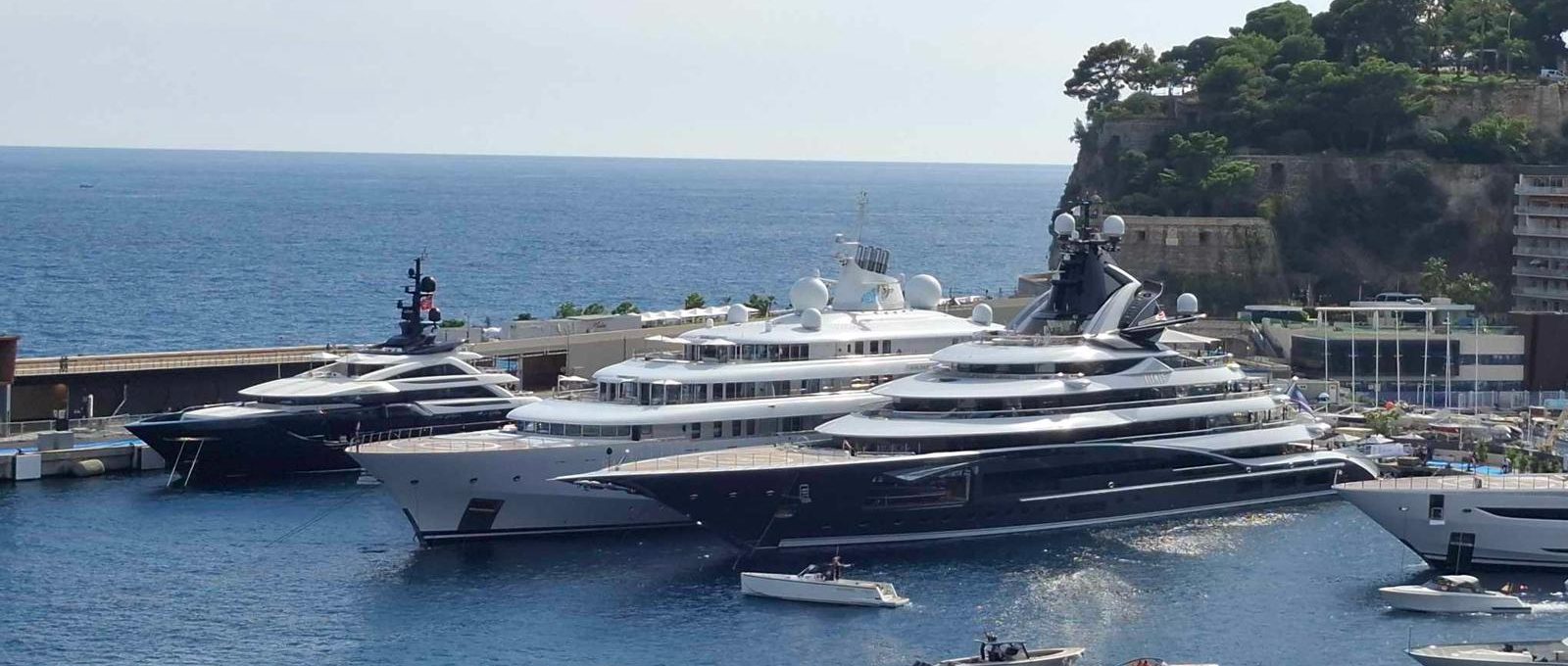
Then there’s scale. As yachts push beyond 100m+, the role of the support vessel becomes increasingly important, often carrying the extended fleet of tenders and toys that the mothership itself cannot accommodate. Multiple tenders, chase boats, and rescue craft, each with their own requirements. At what point does ad hoc decision-making stop being viable?
Perhaps the real question isn’t whether fleet management works, but whether the industry can afford not to adopt it.
Of course, moving toward a long-term strategy requires a shift in mindset. It means thinking
beyond the next season, committing to partnerships, and trusting that consistency will outperform short-term gains. That’s not always easy in an industry built on flexibility and speed. But as complexity increases, so does the cost of inefficiency.
So where do you stand? Is the current approach good enough, or is it time to rethink how superyacht tender fleets are managed?
At Superyacht Tenders, we focus on streamlining this entire process, simplifying what can often become a complex and fragmented operation. By taking a structured, long-term approach to tender and fleet management, we help reduce unnecessary costs, improve efficiency, and remove the day-to-day headaches for crew and management alike.
Speak to our team to explore how we can help save your owner money, while giving you back valuable time to focus on what matters most or explore our current tender listings to see available fleet options.